Vestigial Threads & Textile Mechanics
Every loop, pocket, and button on standard casual clothing is a fossilized record of manual labor, horseback riding, or maritime survival.
The True Purpose of the Pom-Pom on Your Beanie
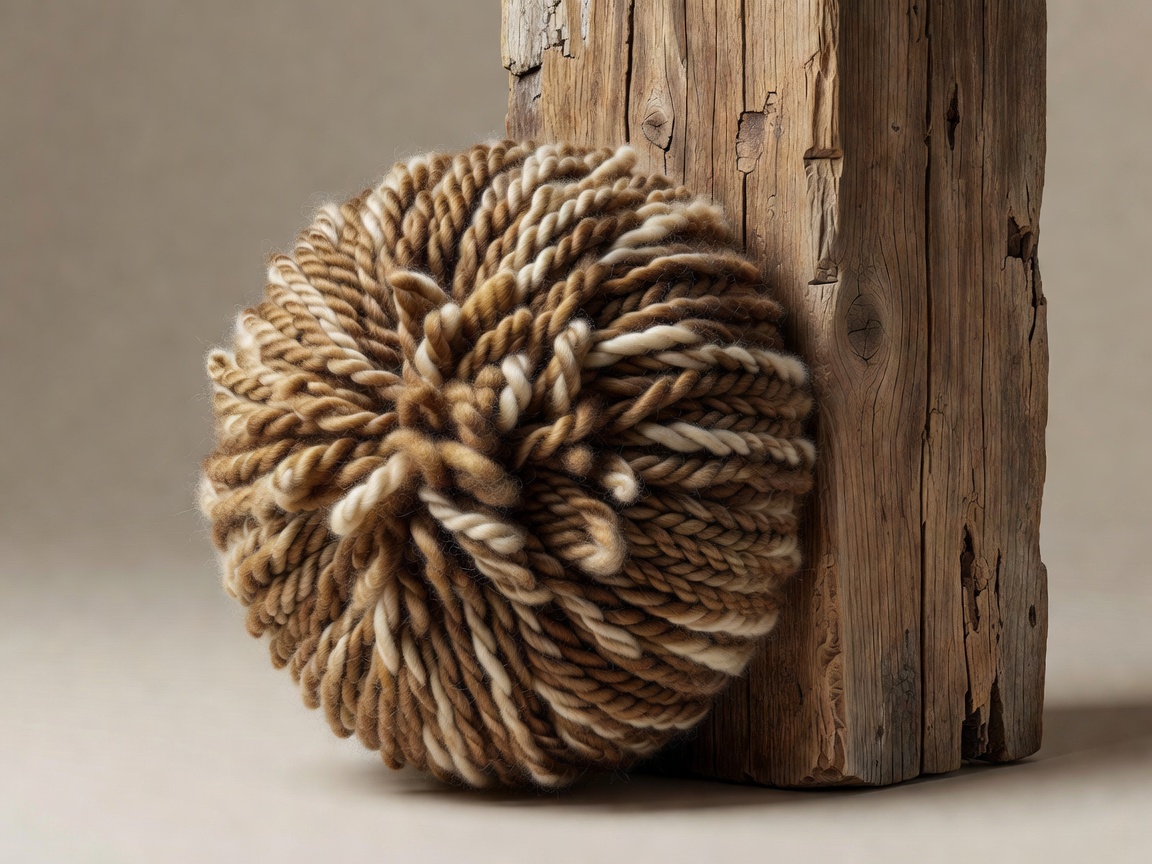
It seems like a purely whimsical, decorative addition to winter headwear. However, the origin of the pom-pom is deeply rooted in maritime safety. French sailors in the 18th and 19th centuries navigated ships with extremely low cabin ceilings and tight corridors. The thick yarn pom-pom (or "tourri") was engineered as a shock absorber. When a sailor abruptly stood up or was tossed by turbulent waves, the pom-pom prevented severe cranial trauma against the low wooden beams.
The Tiny Fifth Pocket on Jeans
Before smartphones and wristwatches, the primary timekeeping device was the pocket watch. Levi Strauss introduced the tiny inner pocket on the right hip of his riveted waist overalls in 1890 specifically to protect pocket watches from being crushed during harsh physical labor or horseback riding.
The Locker Loop
Found on the back pleat of men's button-down shirts, this fabric loop was introduced by brands like GANT in the 1960s. Ivy League students and sailors used them to hang their shirts in gym lockers without wrinkling the fabric when wire hangers were unavailable.